

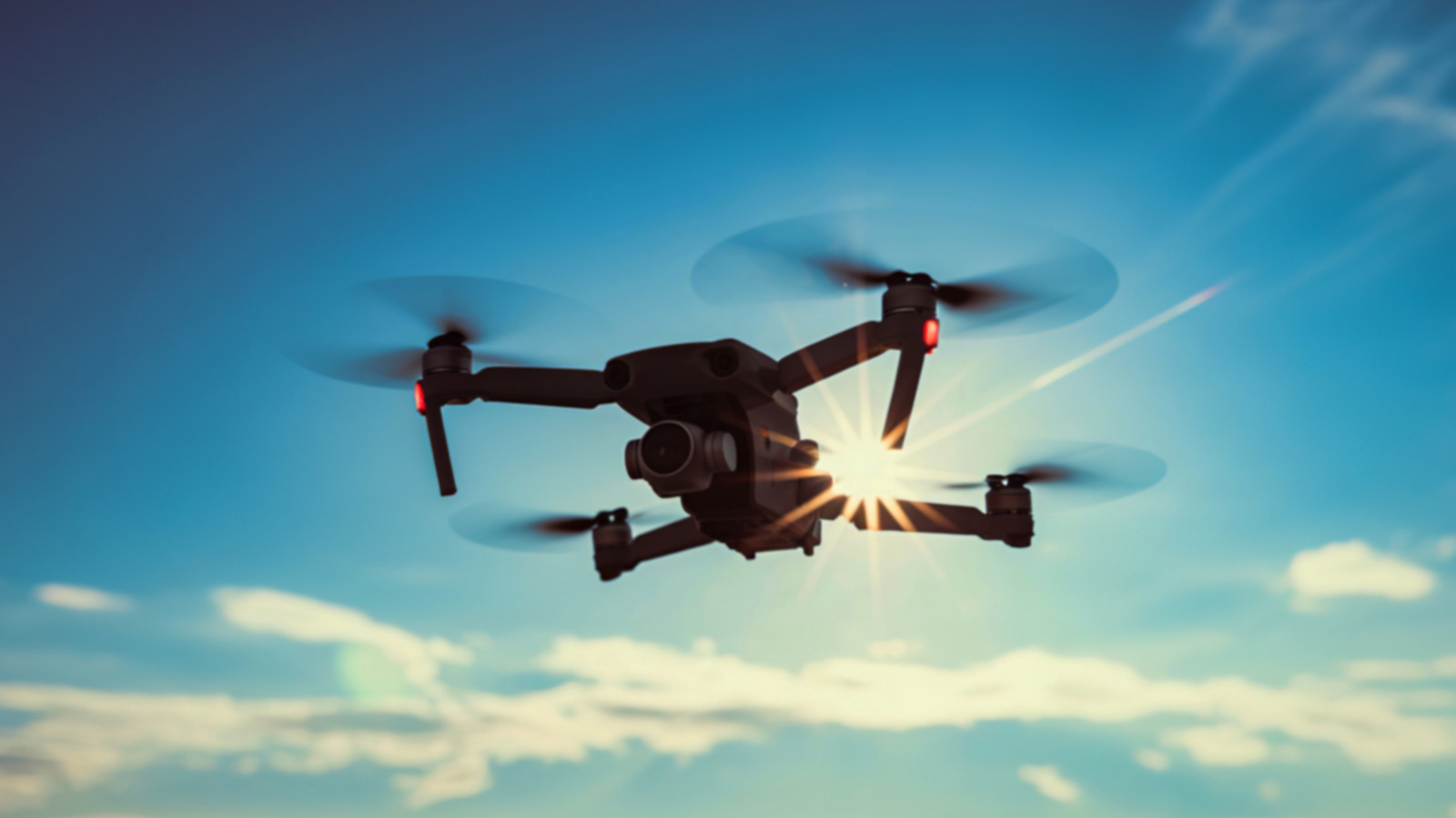
The 2026 FIFA World Cup has captured the nation's attention, with the U.S. men's national team still in contention, stadiums packed with enthusiastic fans, and cities like Boston and Atlanta buzzing with international visitors. Beyond the goals and celebrations, security agencies are working around the clock to ensure safety. The Transportation Security Administration (TSA) has reported a staggering number of drone incursions near World Cup stadiums—over 300 drones have been seized since the tournament began. One security official described the figure to ABC as 'quite shocking actually,' highlighting the scale of the problem.
Drones have become increasingly popular among hobbyists and professionals, but during major events like the World Cup, they pose significant risks. The Federal Aviation Administration (FAA) designates stadium airspace as restricted during matches, and a multi-agency task force including the FBI, Department of Homeland Security, and local law enforcement monitors the skies. Understanding these restrictions is crucial for drone owners to avoid severe penalties.
What Are the Restrictions?
During World Cup matches, no drones are allowed within a three-mile radius of any official stadium, up to an altitude of 3,000 feet. This no-fly zone also extends one mile and 1,000 feet around official fan zones and gathering areas. These restrictions apply from two hours before the match until one hour after it ends. The airspace is actively monitored with counter-drone technology that can detect, track, and disable unauthorized drones.
Andrew Giuliani, head of the White House World Cup Task Force, confirmed to ABC News that every match location and fan event is protected by 'counter-drone mitigation protection.' This means any unidentified drone entering restricted airspace will be treated as a potential threat, and operators risk immediate interception.
Penalties for Violating Drone Restrictions
Drone operators who fly in restricted zones face serious consequences. Civil penalties can reach up to $100,000 per violation. Additionally, the FBI has warned that criminal prosecution could result in up to one year in federal prison. The drone itself may be confiscated and destroyed. The FBI Miami office issued a public alert on Facebook reminding operators of these penalties.
Ignorance of the rules is not an accepted defense. The FAA emphasizes that all drone pilots must be aware of 'rules of the sky' and stay informed about temporary flight restrictions (TFRs). With the World Cup continuing until July 19, the number of seizures could rise further.
Why Are Drones a Threat?
Drones can be used for surveillance, smuggling, or as weapons. At an event with 60,000 to 80,000 spectators and global media attention, even a small drone could cause panic or disrupt operations. In recent years, incidents at major sporting events and airports have shown how quickly a drone can interrupt normal activities. For example, in 2018, Gatwick Airport was shut down for days due to drone sightings, costing millions. The World Cup is an even higher-profile target.
The counter-drone technology deployed includes radar systems, radio frequency detection, and even drone-catching nets. Some systems can jam drone signals or take control of the drone, landing it safely. The TSA, FAA, and FBI work in coordination to neutralize threats without endangering people on the ground.
How to Avoid Violations
Drone operators should check the FAA's B4UFLY app or official TFR notices before flying. Stay at least three miles away from any World Cup stadium during match days. If you are flying near a city hosting games, plan your flights carefully. Many recreational drones have built-in geofencing that should prevent them from entering restricted zones, but not all models are updated in real time. Also be aware that temporary fan zones in parks or public squares are also off-limits.
Registering your drone with the FAA (required for drones over 0.55 pounds) and passing the TRUST test are basic steps. But for events like the World Cup, extra caution is needed.
What Happens to the Seized Drones?
Once a drone is intercepted, it is confiscated by law enforcement. Investigations determine whether the operator acted deliberately or accidentally. In many of the 300+ cases so far, TSA officials noted that operators claimed they were unaware of the rules. However, officials say that ignorance does not excuse the violation. Some drones may be returned after the tournament if no criminal intent is found, but fines still apply. Repeat offenders face harsher penalties.
The FAA also maintains a database of drone incidents. Violations can affect your ability to fly drones commercially in the future, as they may be considered a lack of aeronautical knowledge.
Broader Context of Drone Incidents
This is not the first time drones have caused security concerns at major events. The Super Bowl, Olympics, and political rallies have all seen drone restrictions. In 2024, the FAA reported over 2,000 drone incidents near airports and stadiums nationwide. The World Cup amplifies this due to the high volume of tourists and media. Some operators may be visitors from countries with different drone laws, adding to the confusion.
The task force has also deployed public service announcements in multiple languages, reminding fans that drone flights over stadiums are not only illegal but also disrespectful to the safety of others. The joy of flying a drone should not compromise security. With weeks left in the tournament, authorities urge all drone owners to keep their drones grounded during matches. If you want aerial footage of the World Cup, use official cameras or media permissions—personal drones have no place in these skies.
The TSA and its partners continue to monitor and seize any unauthorized drones. The 'shocking' number of seizures underscores the need for better education and enforcement. As technology evolves, so do the methods to protect large public gatherings. For now, the message is clear: leave your drone at home when heading to a World Cup match or fan event.
Source: SlashGear News