

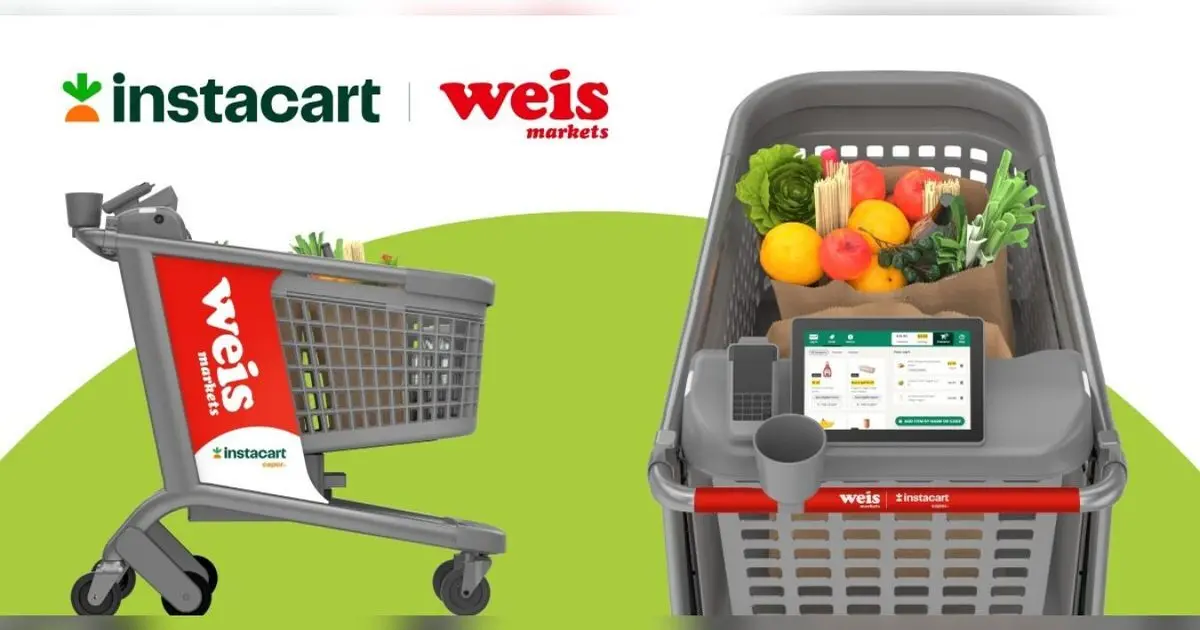
Instacart's AI-powered Caper Carts are moving into select Weis Markets stores in Pennsylvania, with plans for expansion to more locations this year. On the surface, the upgrade sounds undeniably useful: shoppers can see a running total, clip digital coupons, apply loyalty rewards, weigh items like produce, and even pay directly from the cart—all without ever waiting in a checkout line. But behind that convenience lies a privacy tension that stems from the hardware required to make it all work.
The carts are equipped with basket-facing cameras, outward-facing cameras, location-tracking systems, built-in scales, touchscreens, and payment terminals. This transforms an ordinary grocery basket into a rolling sensor platform that collects a rich stream of data. Instacart frames Caper as a way to personalize the shopping experience, reduce out-of-stocks, lift sales, and generate retail media revenue. For shoppers, the trade-off is clear: they get convenience, but they also leave behind a detailed trail of products purchased, movement through the store, loyalty activity, and responses to in-aisle promotional prompts.
How the Cart Follows Shoppers
Caper Carts rely on computer vision, hardware sensors, certified scales, payment tools, and location systems to recognize items as shoppers place them in the basket. The built-in scale allows the cart to handle produce and other goods sold by weight, making the checkout process feel less dependent on a cashier. But the same setup gives retailers an unprecedented view of what happens before checkout. The system registers what enters the basket, tracks where the cart moves, connects the session to a loyalty account, and surfaces offers on the display while the shopping trip is still unfolding.
This technology is not entirely new—similar systems have been tested by Amazon Go and other retailers—but Instacart's integration with existing grocery chains like Weis represents a significant step toward mainstream adoption. The carts can detect when a shopper lingers in an aisle, which brand they pick up, and even if they put an item back on the shelf. This level of granularity is invaluable for retailers looking to optimize store layouts, manage inventory, and target promotions with surgical precision.
Where the Ad Pressure Begins
Weis plans to use on-cart advertising, and Instacart's promotional materials describe aisle-aware promotions, real-time coupons, and retail media placements tied to store location. The screen arrives at the moment shoppers are deciding between brands, sizes, and impulse buys. Instacart says location-aware prompts have produced nearly a one percentage point average lift in basket size—a detail that explains the business model without dressing it up. The cart becomes both a checkout tool and an ad panel pointed at customers in motion.
The implications extend beyond simple advertising. With continuous data collection, retailers can build detailed profiles of individual shoppers, linking their in-store behavior to online shopping history, loyalty program data, and even demographic information from third-party sources. This data can be used to predict future purchases, adjust pricing in real time, and even influence product placement. While Instacart and Weis promise transparency and choice, the reality is that most shoppers rarely read the fine print of loyalty program terms or privacy policies.
The Privacy Debate in Context
The Caper Cart rollout is part of a broader trend in retail: the integration of artificial intelligence and sensor technology to create what industry insiders call “smart stores.” Amazon Go stores, for example, use ceiling-mounted cameras and sensors to track shoppers without a traditional checkout. But the Caper Carts put the sensors directly in the shopping cart, making the tracking more personal and, for some, more intimidating. Privacy advocates have raised concerns about the potential for data misuse, especially when sensitive health information can be inferred from grocery purchases—such as dietary habits, medical conditions, or pregnancy.
Instacart has stated that the data collected by Caper Carts is used to improve the shopping experience and that shoppers can opt out of certain features. However, critics argue that the opt-out options are often buried in settings or require shoppers to forgo the convenience features that make the carts attractive. The Federal Trade Commission (FTC) has taken an increasing interest in retail surveillance practices, and several consumer advocacy groups have called for stricter regulations on the collection and use of biometric data in public spaces.
For shoppers, the decision to use a Caper Cart often comes down to a trade-off between convenience and privacy. On one hand, the carts can save time by eliminating the need to unload and reload groceries at checkout. On the other hand, they create a permanent record of every item purchased, every aisle visited, and every promotional offer accepted. This data can be used to target future ads, adjust loyalty rewards, and even influence pricing through personalized discounts or surge pricing models.
Where the Carts Are Going Next
Caper Carts are already in more than 100 cities across 15 states and more than a dozen retail banners, and Instacart says deployments have tripled year over year. Weis is only the latest rollout, not an isolated lab test. Other chains using the carts include Kroger, Albertsons, and Price Chopper. The rapid expansion suggests that both Instacart and retailers see the technology as a key competitive advantage in the grocery industry, which has been slow to adopt digital innovations compared to other sectors.
But the success of the carts depends on shoppers' willingness to use them. Early adoption has been strong among younger, tech-savvy consumers, but older shoppers and privacy-conscious individuals may be more hesitant. Instacart is betting that the convenience of skipping checkout lines will outweigh privacy concerns for most people, especially as the technology becomes more seamless and the benefits more apparent.
For those who do choose to use a Caper Cart, the experience is designed to feel intuitive. Shoppers simply grab a cart, scan their loyalty card or phone at the start, and then place items in the basket as usual. The cart's screen displays a running total and any applicable coupons. When the shopping trip is complete, the cart automatically totals the purchase and allows payment via credit card or mobile wallet. The whole process takes seconds, compared to the several minutes often spent waiting in line.
Despite the convenience, there are still friction points. The carts require a stable internet connection, and technical glitches can frustrate users. Instacart has invested heavily in ensuring reliability, but the system is not perfect. Store associates are trained to assist shoppers who encounter problems, but this may not always be enough to prevent negative experiences.
What Shoppers Should Consider
Before logging into a Caper Cart, shoppers should look for the store's terms regarding cart data, loyalty connections, ad personalization, and location-based offers. The cart may be optional, but the trade-off is worth understanding before pushing it down the aisle. Many stores provide a privacy notice at the cart kiosk or on their website, but few shoppers take the time to read it. In the absence of strong federal privacy laws in the United States, the responsibility often falls on consumers to understand what they are agreeing to.
For those who prefer to keep their shopping habits private, the alternative is to use a traditional shopping cart and checkout with a human cashier. This option remains available in all stores that offer Caper Carts, although some stores may eventually phase out traditional checkout as the technology matures. Instacart has not announced any plans to make Caper Carts mandatory, but the economics of retail suggest that if the carts prove profitable enough, stores may incentivize their use through discounts or exclusive offers.
The broader implications for society are also worth considering. As AI-powered shopping carts become more common, they may normalize the idea of being tracked in public spaces. What begins as a voluntary convenience could become an expectation, with consequences for privacy that extend beyond the grocery store. The lessons learned from Caper Carts could shape how other retail technologies—such as smart shelves, facial recognition payment, and autonomous delivery robots—are deployed in the future.
Source: Digital Trends News