

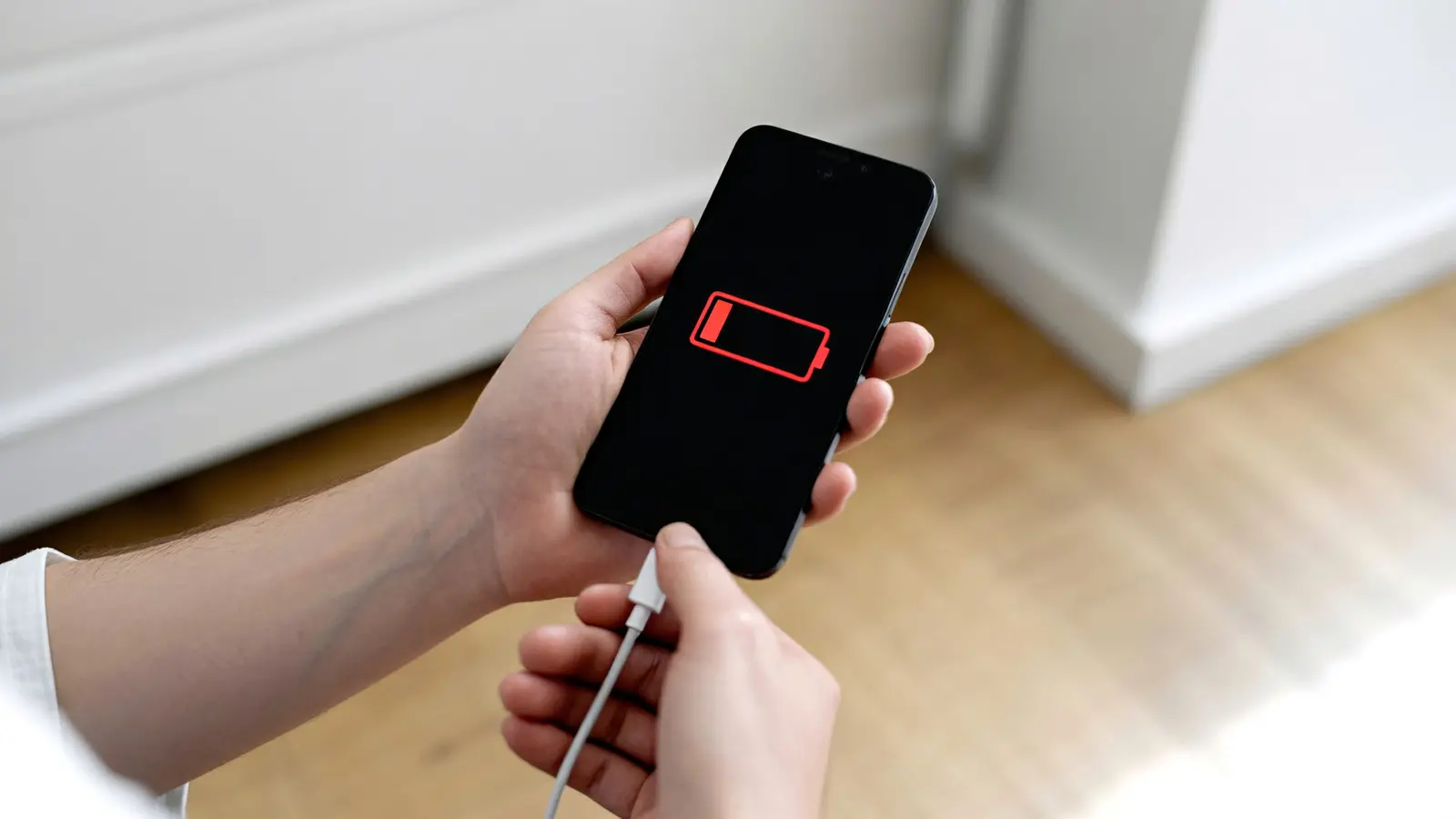
Most people leave chargers plugged in when they aren't being used to juice up phones, but is this a good idea? It's convenient, sure, but it may leave you wondering if these chargers continue to draw electricity from the outlet even when their phones aren't charging. Short answer? Yes, but things are a bit more complicated.
Do chargers use electricity when not charging?
Yes, chargers will draw electricity when plugged into an outlet, even when not charging a device. These devices pull a small amount of electricity when plugged in, which is typically referred to as 'standby power' or 'vampire power.' The transformers and circuit components of a charger stay active whenever plugged in, which allows for immediate charging once something is connected. This phenomenon is not unique to phone chargers – any device with an external power supply, such as laptop adapters, tablet chargers, and gaming console bricks, behaves similarly. The internal circuitry maintains a small current to keep the voltage regulator ready, which is why you can plug in a phone and see it start charging immediately without any delay.
Modern chargers are designed to be more efficient than older models, but they still consume energy as long as they are connected to a live outlet. In fact, even when the charger is disconnected from a phone, the power supply unit continues to convert alternating current (AC) to direct current (DC) at a low level. This conversion process is never fully turned off unless the charger is physically removed from the wall or a switch is flipped. The amount of energy drawn is minimal compared to many other household appliances, but the cumulative effect across multiple chargers over weeks and months can be noticeable.
How much energy does a charger use when not charging?
Chargers aren't exactly energy hogs. A single charger's standby consumption sits at around 0.1 to 0.5 watts. This adds up to 2 to 24 watt-hours each day. That's fairly negligible, though it can add up when considering homes with numerous chargers in just about every room. For example, a typical household might have five to ten phone chargers, plus a few tablet and gaming console chargers. If each draws an average of 0.3 watts, the total standby load could be 3 watts or more. Over the course of a year, that translates to about 26 kilowatt-hours (kWh) of wasted electricity for a household with ten chargers. While that number might seem small, consider that the average U.S. home consumes around 10,800 kWh per year, so the contribution from chargers alone is about 0.24% of total usage. However, when you add up all standby power sources, the impact becomes significant.
To put this in perspective, a single charger left idle for a full year might use as much electricity as leaving a 60-watt incandescent light bulb on for about 4 to 10 hours. The energy consumption also depends on the charger's quality and design. Higher-quality chargers with better power management circuits tend to have lower standby draw (closer to 0.1 watts), while cheap, unbranded chargers can draw up to 1 watt or more. Additionally, chargers that incorporate smart features like quick charging or multiple ports may have slightly higher standby consumption because they keep more circuitry active. However, even the worst offenders are still far less wasteful than other common household electronics left in standby mode, such as cable boxes (which can draw 20–50 watts) or game consoles (10–30 watts).
Does this increase a home's energy costs?
Yes, though not by very much. Depending on where in the world you are, a single phone charger left idle could add anything from 50 cents to $4 to your annual bill, but one must consider every charger in the home separately. This includes not just smartphone chargers but also tablet chargers and portable gaming console chargers. For a typical household with multiple chargers, the annual cost might be between $5 and $20 per year. That may not break the bank, but it is money that could be saved with minimal effort. And when you consider that standby power from all sources accounts for 5 to 10 percent of a typical home's electricity use, according to the Canadian government, the potential savings from unplugging unused chargers becomes more attractive. In the United States, the Department of Energy estimates that standby power costs the average household about $100 per year. That is a significant amount, and phone chargers are just one piece of the puzzle.
Moreover, energy prices vary widely by region. In areas where electricity costs are high, such as Hawaii or parts of Europe, the cost of leaving chargers plugged in can be double or triple the average. For example, in Germany, where residential electricity rates can exceed $0.35 per kWh, a single charger drawing 0.5 watts could cost over $1.50 per year, and ten chargers would add up to $15. In contrast, in regions with low rates like parts of the Middle East or Canada, the cost might be only a few dollars. While the financial impact is small, the environmental cost is real, as every kilowatt-hour of electricity generated contributes to carbon emissions, especially if the power comes from fossil fuels. Reducing standby power is an easy way to lower your carbon footprint without sacrificing convenience.
Do other items use standby power besides chargers?
Yes, many items throughout the home use standby power when not being used. This includes tech like computers and gaming consoles, but also stuff like televisions, microwaves, and coffee makers. All told, standby power accounts for 5 to 10 percent of a typical home's electricity use, according to the Canadian government. Other common culprits include: set-top boxes and DVRs (often the biggest offenders, drawing 30–50 watts continuously), home theater systems (especially receivers with HDMI passthrough), desktop computers in sleep mode (1–6 watts), printers (3–10 watts even when off), and even devices like electric toothbrushes and wireless speakers that have external power adapters. Many of these items have no power switch or use a soft switch that keeps a portion of the circuit active. The natural Resources Defense Council (NRDC) found that in U.S. homes, standby power from consumer electronics accounts for about 50% of the total electricity used by those devices when they are not in active use. That translates to millions of tons of CO₂ emissions annually.
Interestingly, newer appliances and electronics are designed to meet stricter energy efficiency standards, such as the U.S. Energy Star program and the EU's Ecodesign Directive. These standards limit standby power consumption to below 1 watt for most devices, and some products now achieve below 0.1 watts. However, older devices and those from less regulated markets may still draw significant amounts of vampire power. For example, a 10-year-old TV could consume 10–15 watts in standby, whereas a modern LED TV with Energy Star certification might consume less than 1 watt. Upgrading to energy-efficient models can reduce standby waste dramatically.
Are there ways to reduce the power draw from chargers?
There are a couple of things worth trying if standby power is increasing the utility bill. Not all chargers are created equal, and low-quality models can draw more energy when plugged in. Go with an energy-efficient charger that can handle multiple devices simultaneously. Look for certifications like Energy Star, LEED, or the EU's EC label. Another option is to plug the chargers into smart outlets that can be remotely disabled when not in use via a smartphone app. These outlets often have scheduling features, so you can set them to turn off during sleeping hours or when you are away from home. Additionally, using a power strip with a switch allows you to cut power to multiple devices at once – for instance, a desk with a phone charger, laptop charger, and monitor can all be switched off with one flick.
Inspecting the chargers regularly for wear, poor connections, and overheating is also important, as damaged chargers can draw excess power and pose a fire hazard. Replace any chargers that show signs of damage or that feel hot to the touch when idle. When all else fails, just remove the chargers from the outlet when not in use (or flip the switch on the outlet, if that's a feature where you are). That'll solve the issue for sure. For chargers that are hard to reach, consider using smart plugs that integrate with home automation systems like Amazon Alexa or Google Home. You can even set up voice commands to turn off all chargers at night.
Another effective strategy is to consolidate charging stations. Instead of having multiple chargers scattered around the house, designate one or two areas with a multi-port USB charging hub that has a power switch. That way, you can plug in several devices at once and cut power to the entire hub when not in use. Many such hubs also feature intelligent charging that automatically shuts off power to fully charged devices, further reducing waste. Finally, for those who travel frequently, consider carrying a small smart plug to use in hotel rooms; you can plug your charger into it and turn it off when you leave the room. Small changes like these add up to meaningful energy savings over time.
Source: Engadget News