

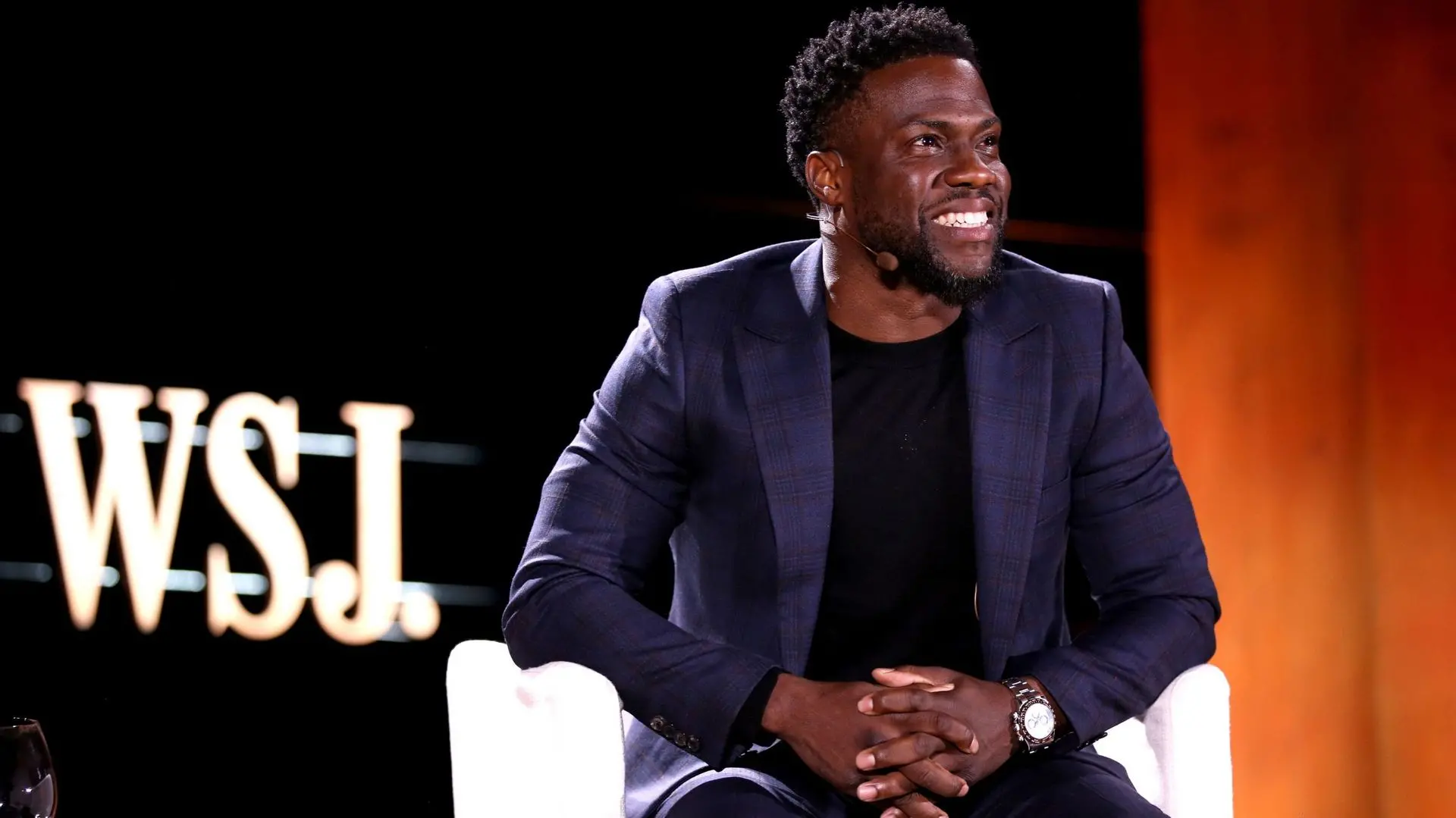
Just days after being named host of the 91st Academy Awards, comedian Kevin Hart confirmed he was stepping down from the role. The decision came amidst a growing controversy over resurfaced homophobic tweets and stand-up skits from the actor's past. The scandal once again highlighted the ongoing tensions between personal growth, public accountability, and the entertainment industry's willingness to forgive past transgressions.
The Roots of the Controversy
The backlash began when Twitter users unearthed a series of old posts from Kevin Hart, some dating back to 2010 and 2011. In these tweets, Hart used derogatory language targeting the LGBTQ community, including referring to someone as a "big fag" and describing a man he saw as "the biggest gay ever! Looked like Hulk Hogan on high heels!" Further digging revealed a 2010 stand-up routine in which Hart said: "As a heterosexual man, if I could prevent my son from being gay, I would do it." These comments, although years old, quickly circulated on social media, drawing sharp criticism from activists, fans, and fellow celebrities.
Hart's Initial Stance
Instead of offering an immediate apology, Kevin Hart initially took a defiant stance. In a lengthy Instagram video to his millions of followers, he explained that he had already addressed these issues years ago and believed that people should be allowed to grow and evolve. "I'm almost 40 years old," he said. "If you don't believe that people can change, grow, evolve as they get older, I don't know what to tell you. If you want to hold people in a position where they have to constantly justify or explain their past, then do that. I am not the right guy. I have explained who I was then and who I am now. I have done it. I am not going to continue to go back into the past when I have moved on." He stressed that he would not apologize further and that if the Academy wanted to move on without him, he would not hold it against them.
A Shift in Direction
However, as the controversy continued to dominate headlines, Hart reconsidered his position. On Twitter, he announced that he was stepping down as host, expressing concern that his involvement would distract from the celebration of the film industry's finest achievements. "I have made the choice to step down from hosting this year's Oscars," he wrote. "This is because I do not want to be a distraction on a night that should be celebrated by so many amazing talented artists. I sincerely apologize to the LGBTQ community for my insensitive words from my past. I am sorry that I hurt people. I am evolving and want to continue to do so. My goal is to bring people together, not tear them apart. I send my love and appreciation to the Academy. I hope we can meet again."
Historical Context and Similar Incidents
This is not the first time an Oscars host has been forced to resign due to offensive remarks. In 2012, producer Brett Ratner stepped down from producing the Academy Awards after making homophobic comments during a Q&A. Ratner’s remarks, which included a gay slur, also came to light shortly before the ceremony, leading to his departure. The pattern suggests that the Oscars organization prioritizes inclusivity and an untainted spotlight on the nominees and winners. The Academy's swift response through private conversations with Hart, urging him to apologize, reflects a commitment to these values. Yet for many, the question remains: should past mistakes, especially those already addressed publicly, forever disqualify a person from participating in major events?
Kevin Hart: Career and Public Image
Kevin Hart rose from Philadelphia stand-up stages to become one of the highest-grossing comedians in the world. His films, such as "Ride Along," "Jumanji: Welcome to the Jungle," and "The Secret Life of Pets," have earned billions globally. He has published best-selling memoirs and headlined sold-out arena tours. Hart's brand of comedy often relies on self-deprecation, family anecdotes, and relatable observations. Until this controversy, his public persona was largely beloved. However, his past material occasionally veered into homophobic or misogynistic territory, drawing criticism even before the Oscars incident. Following the backlash, Hart has attempted to pivot towards more inclusive humor and has publicly supported LGBTQ rights in more recent years.
Reactions and Accountability
The LGBTQ community had mixed reactions. Some accepted Hart's apology and acknowledged his right to change, while others felt that his initial resistance and dismissive tone revealed a genuine lack of understanding. GLAAD, an organization monitoring media representation, issued a statement praising Hart's eventual apology but calling on him to learn more about why his words were harmful. They noted that using anti-gay slurs, even in jest, contributes to a culture of discrimination. The controversy also sparked a broader conversation about social media accountability: how far back should we dig into a person's history, and is forgiveness possible if the person has genuinely evolved? Hart's case illustrates the tightrope celebrities walk between their past and present.
The Impact on the Oscars
The Academy of Motion Picture Arts and Sciences now faced the challenge of finding a new host just weeks before the February 24, 2019 ceremony. Typically, the host is announced months in advance to allow for preparation and promotion. With Hart's departure, speculation mounted regarding potential replacements. Names like Tiffany Haddish, John Mulaney, and Dwayne "The Rock" Johnson were floated. Ultimately, the Academy decided to forgo a traditional host for the first time since 1989, opting instead to have a series of presenters introduce segments. This non-traditional format received mixed reviews but was a practical solution to an unforeseen crisis. The ceremony itself went on without major incident, though the shadow of Hart's withdrawal lingered.
Broader Implications for the Entertainment Industry
The Kevin Hart Oscars controversy exemplifies a recurring theme in modern celebrity culture: the collision of past indiscretions with present-day accountability. Social media archiving ensures that every public figure’s history is catalogued, and their words can be weaponized years later. For comedians like Hart, whose craft relies on pushing boundaries, this creates a particular vulnerability. Many comedians have faced similar reckoning—from stand-up routines to casual comments—forcing them to adapt or face career consequences. The incident also highlighted the role of the Academy in setting cultural standards. By pressing Hart to apologize and accepting his resignation, the institution reaffirmed its zero-tolerance policy for homophobic rhetoric, even if the remarks were made years earlier. Some argue this creates a chilling effect, punishing people for past mistakes rather than encouraging growth, while others see it as a necessary step toward a more inclusive environment.
In the years following the controversy, Kevin Hart continued to work steadily, releasing films and stand-up specials. He has rarely discussed the Oscars incident publicly, though in a 2020 interview he expressed regret for the way he handled the situation, admitting he should have apologized immediately. His career did not suffer long-term damage; his fan base remained loyal, and new projects kept coming. The Oscars, meanwhile, have explored various hosting experiments, including a hostless show in 2021 and returning to a single host in 2022 with Wanda Sykes, Amy Schumer, and Regina Hall. The debate over who should host and what constitutes an unforgivable offense remains ongoing. The 91st Academy Awards will be remembered not just for the winners, but for the controversy that forced the industry to confront its standards once again.
Source: RTBF News