

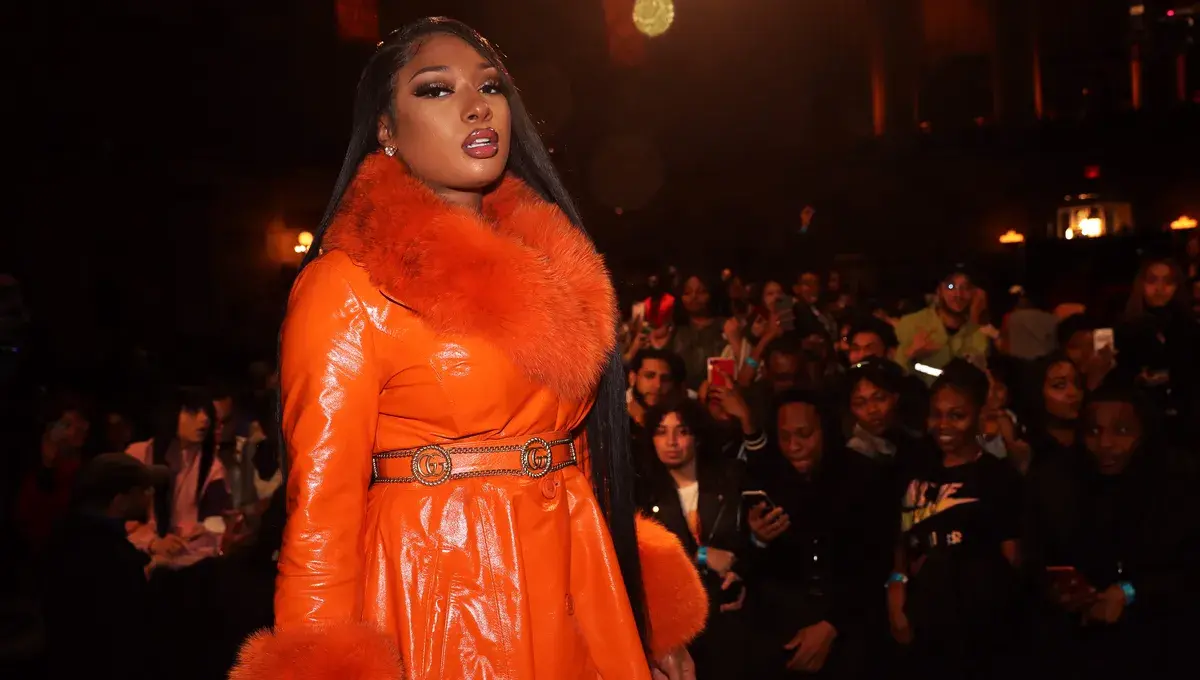
Megan Thee Stallion has once again used her platform to address a critical issue: the protection of Black women. In a recent statement, the Grammy-winning rapper said, "Protecting Black women shouldn't be controversial." Her words come amid ongoing discussions about systemic violence, misogynoir, and the lack of accountability when Black women are harmed.
Megan, whose real name is Megan Jovon Ruth Pete, has been an outspoken advocate for Black women's rights, particularly after she survived a shooting in 2020. The incident, which involved fellow rapper Tory Lanez, brought global attention to the vulnerabilities Black women face. Since then, Megan has used her music and public appearances to highlight these issues.
The Context of Violence Against Black Women
Black women in the United States experience disproportionately high rates of violence. According to the National Coalition Against Domestic Violence, nearly 45% of Black women have experienced intimate partner violence in their lifetime. Moreover, Black women are more likely to be killed by law enforcement and less likely to receive media coverage when they go missing. Megan's statement taps into a long history of activism, from the SayHerName movement to the work of organizations like the Black Women's Health Imperative.
Megan's own experience underscores these statistics. In July 2020, she was shot in both feet after an argument with Tory Lanez. The case sparked a highly publicized trial, with Lanez eventually convicted of assault with a semiautomatic firearm. Throughout the ordeal, Megan faced victim-blaming and skepticism from the public and media, which she has called "unfair" and "traumatizing."
Megan's Advocacy and Impact
Beyond her personal story, Megan has consistently championed Black women in her music. Songs like "Savage" and "Body" celebrate Black female empowerment and confidence. She also launched a charitable initiative, the Pete and Thomas Foundation, which focuses on education, housing, and health services for underserved communities, particularly Black women and girls.
In her interview, Megan elaborated: "It's not a political statement to want to be safe. It's a basic human right. Black women are the backbone of so many communities, yet we are often forgotten or dismissed." She criticized the media for framing her stance as controversial, arguing that the real controversy is the continued violence and inequality.
Historical Roots of Misogynoir
The term "misogynoir," coined by Black feminist scholar Moya Bailey, describes the unique intersection of racism and sexism that Black women face. This concept helps explain why Black women's pain and trauma are often invalidated. From the era of enslavement to modern-day policing, Black women have been stereotyped as aggressive, hypersexual, or unworthy of protection. Megan's statement challenges these narratives, demanding a society where Black women are valued and safeguarded.
Historical examples abound. The 1850s case of Celia, a Black enslaved woman who killed her rapist in self-defense, resulted in her execution. More recently, the murders of Breonna Taylor and Sandra Bland sparked protests but also revealed how Black women's lives are devalued by the criminal justice system. Megan's call for protection is a continuation of this fight.
Celebrity Voices and Solidarity
Other celebrities have echoed Megan's sentiment. Rapper and actress Issa Rae has spoken about the importance of uplifting Black women. Singer Lizzo has also advocated for body positivity and mental health resources for Black women. Even athletes like Serena Williams have used their platforms to address racial and gender disparities. However, Megan's direct experience gives her message a unique weight.
Social media reactions to Megan's statement have been largely positive, with fans and activists praising her for speaking out. Hashtags like ProtectBlackWomen trended shortly after her interview was published. Critics, however, argue that her past legal issues and public feuds undermine her credibility—a mischaracterization that Megan dismisses as misogynoir in action.
The Role of Men in Protecting Black Women
Megan also emphasized that protecting Black women is not solely the responsibility of Black women themselves. She called on men, especially Black men, to actively support and defend Black women. "We cannot do this alone. We need allies who respect us and stand up for us, even when it's uncomfortable," she said. This echoes sentiments from activists like Tarana Burke, founder of the MeToo movement, who has long argued that gender justice requires male participation.
In the Black community, there is a complex history of protecting Black women from white supremacy while sometimes grappling with internal sexism. Megan's statement pushes for a redefinition of manhood that includes empathy and protection rather than dominance or indifference.
Policy Implications
Megan's advocacy also has policy implications. She has expressed support for the Violence Against Women Act (VAWA) and initiatives that fund shelters, legal aid, and counseling for survivors of domestic and sexual violence. Additionally, she has called for police reform, specifically better training on handling cases involving Black victims. "It's not just about words on a sign. It's about laws and systems that actually protect us," she said.
Legislatively, there have been efforts like the Breonna Taylor Law, which bans no-knock warrants, and the Say Her Name Act, which aims to improve data collection on police violence against Black women. However, many of these proposals face opposition from law enforcement and conservative lawmakers. Megan's statement brings renewed attention to these battles.
Cultural Shifts
Culturally, Megan's message contributes to a growing movement that centers Black women's experiences. Media representation is slowly improving, with more films, TV shows, and books that depict Black women as complex, deserving of love and safety. However, the backlash against such narratives—accusations of "wokeness" or "divisiveness"—indicates that the fight is far from over.
Megan herself has faced online vitriol for her outspokenness. Yet she remains undeterred: "I didn't ask to be a symbol. I'm just telling the truth. And the truth is that Black women deserve to live without fear."
As the world continues to grapple with racial injustice, Megan Thee Stallion's words serve as a powerful reminder that protecting the most vulnerable among us is a moral imperative, not a political stance. Her legacy as both an artist and activist is still being written, but her impact on the conversation about Black women's safety is undeniable.
Source: Mouv' News