

Android 17 is shaping up to be one of the most feature-packed updates in recent years. Announced at Google's dedicated Android Show ahead of the I/O developer conference, the new OS brings a blend of AI-powered enhancements and practical everyday improvements. From a complete emoji redesign to smarter digital wellbeing tools, here are the nine biggest features coming to your phone.
All-New Emoji
Google has completely overhauled Android's emoji set — all 4,000 of them. The new designs are more three-dimensional, with added depth and detail compared to the previous cartoonish style. This refresh aims to bring Android's emoji in line with modern design trends, making them more expressive and visually appealing. The update will arrive first on Pixel phones later this year, with other manufacturers expected to follow.
Pause Point
Pause Point is Google's latest push for digital wellbeing. Users can label certain apps as distracting, and when they try to open one, a 10-second timer appears with prompts to do breathing exercises or switch to a more productive app. It's designed to give a moment of reflection before diving into doomscrolling. Users can also set session timers, and turning off the feature requires a full phone restart—adding deliberate friction to break bad habits.
Screen Reactions
Content creators will appreciate Screen Reactions, which lets users record their screen and selfie camera simultaneously. The feature stitches together a reaction video with the user superimposed as a cutout over the onscreen content. Google says it takes just a few taps to create these videos, making it easier to respond to photos, videos, or webpages. It will launch on Pixel phones this summer.
Even More AirDrop
After making Quick Share interoperable with Apple's AirDrop on select Pixel and Galaxy phones last year, Google is expanding support to Xiaomi, Honor, and OnePlus devices, joining Oppo and Vivo. For incompatible phones, Quick Share now generates a QR code that iPhone users can scan to receive files directly to their iCloud storage. Later this year, Quick Share and AirDrop support will be integrated into apps like WhatsApp, bridging the gap between platforms further.
Easier Switching from iPhone
Google and Apple have been working together to simplify platform switching. Apple added support in iOS 26.3 for wireless transfer of files, contacts, messages, homescreen layouts, and eSIMs. However, the feature requires an Android 17 device to receive data. Google confirms support will finally arrive this year, starting with Pixel and Galaxy phones, making it easier for iPhone users to move to Android.
Rambler
Rambler is a new AI transcription tool under Google's Gemini Intelligence branding. It filters out filler words like 'um' and 'ah', makes dictation more concise, and corrects errors in real time. In a demo, it handled a shopping list that changed mid-sentence, omitting items the user changed their mind about. It also supports multiple languages in the same message, making it ideal for multilingual users. It will roll out to select Galaxy and Pixel phones this summer.
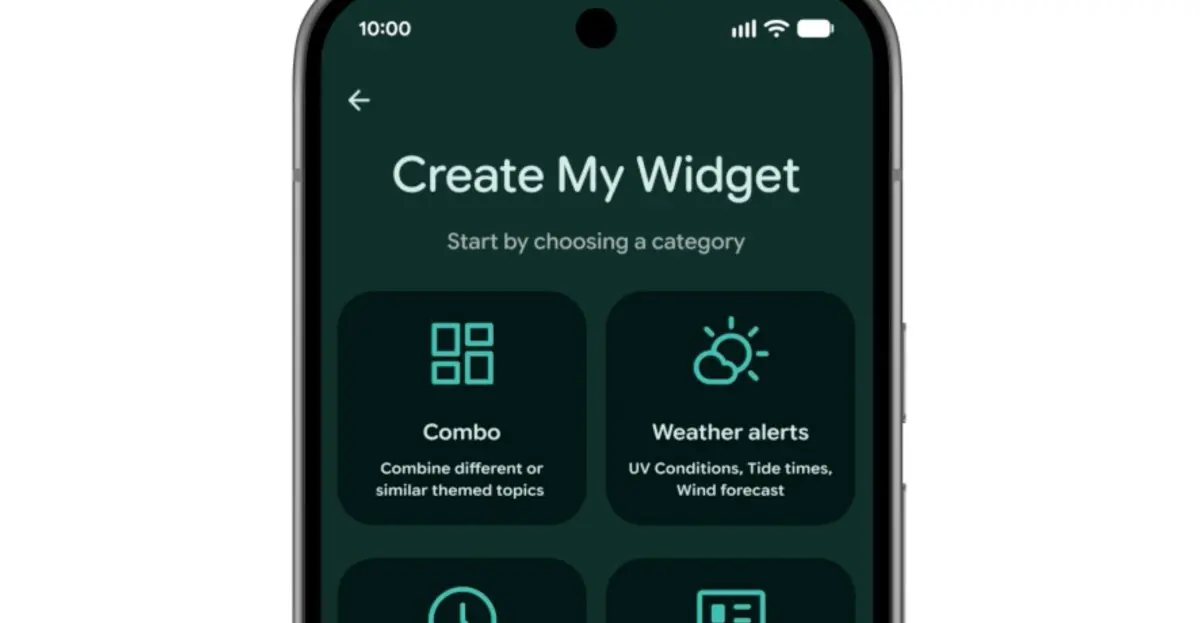
Create My Widget
Inspired by Nothing's Essential App widgets, Create My Widget lets users build custom homescreen widgets from natural language descriptions. For example, a meal planner widget that recommends protein-heavy recipes, a weather widget for cyclists showing wind speed and rain, or a live concert feed for local venues. It's another Gemini Intelligence feature coming to flagship Samsung and Google devices this summer.
Gemini Automation
Google is expanding task automation for food delivery and rideshare apps to new categories. Gemini will soon be able to order groceries from a shopping list in a notes app or plan a travel itinerary from a photograph. Chrome's 'auto browse' comes to Android in late June, and Gemini appears in Autofill to complete forms faster. These AI upgrades aim to reduce manual steps and streamline daily tasks.
More Security Features
Android 17 introduces several security improvements. A collaboration with certain banks blocks calls spoofing their numbers, though it requires the banking app to be installed. Improved malware detection scans app behavior for suspicious activity like SMS forwarding. Chrome's safe browsing mode now scans APK downloads for known malware. Additionally, stolen device protections include biometric remote locking via Find Hub and increased PIN attempt timeouts to thwart brute-force attacks.
Beyond these nine features, Android 17 includes numerous smaller refinements. The update continues Google's trend of integrating AI deeply into the operating system while also addressing core user needs like emoji and file sharing. With rollout beginning later this year on Pixel phones and expanding to other manufacturers throughout 2026, Android 17 promises to be a significant leap forward.
Source: The Verge News